Vietnamese gifts are more than souvenirs — they are cultural expressions shaped by local materials, skilled hands, and generations of craftsmanship. From handcrafted designs made by Vietnamese artisans to gifts inspired by heritage, nature, and sustainable values, each piece tells a story rooted in Vietnam’s identity. Whether you are looking for authentic gifts from Vietnam for international partners, meaningful keepsakes for loved ones, or responsibly made cultural treasures, Vietnamese gifts offer a unique balance of tradition, creativity, and purpose. These gifts are chosen not for mass appeal, but for those who value authenticity, sustainability, and cultural depth.
What Makes Authentic Vietnamese Gifts Unique
When people search for Vietnamese gifts, they are often looking for more than a simple souvenir. They are seeking authentic Vietnamese gifts—items that genuinely reflect the culture, materials, craftsmanship, and spirit of Vietnam, rather than mass-produced objects that merely carry a “Made in Vietnam” label. Understanding what makes a gift truly authentic is essential, especially in a global market where cultural products are frequently copied, diluted, or stripped of their original meaning.
At its core, authenticity in gifts from Vietnam begins with origin. Authentic gifts are Vietnamese-made gifts in the truest sense: designed, crafted, and finished within Vietnam by local makers who understand the cultural context behind each form, pattern, and material. These are not products conceived elsewhere and outsourced for cheaper labor; they are gifts made in Vietnam that carry local knowledge, regional techniques, and generational memory.
Another defining element of authenticity is local craftsmanship. Many locally made Vietnamese gifts are created using traditional handcraft techniques passed down through villages, families, and artisan communities. Whether it is weaving, carving, dyeing, or assembling natural fibers, these techniques shape the final object in subtle but meaningful ways. Slight variations in texture, form, or finish are not flaws; they are signatures of human hands at work. This is why authentic Vietnamese gifts often feel warm, personal, and alive—qualities that machines cannot replicate.
Authenticity also comes from cultural intention. True Vietnamese cultural gifts are not designed merely to look “exotic” or decorative. They are rooted in everyday life, beliefs, and values. Motifs may be inspired by nature, rural landscapes, folk stories, or spiritual symbols that Vietnamese people recognize instinctively. These are gifts inspired by Vietnamese culture, not surface-level imitations created to satisfy tourist expectations.
Equally important is the use of indigenous and locally sourced materials. Authentic gifts frequently incorporate bamboo, rattan, silk, wood, shells, natural fibers, or recycled materials sourced within Vietnam. These materials are not chosen randomly; they reflect what the land provides and how communities have historically interacted with their environment. Over time, such practices have shaped a uniquely Vietnamese aesthetic—lightweight, natural, and harmonious with daily life.
In contrast, inauthentic gifts often prioritize scale over story. They may copy traditional patterns without understanding their significance, use imported synthetic materials, or be manufactured in large quantities for export. While these items might technically qualify as “souvenirs,” they lack the cultural depth that defines gifts representing Vietnamese identity. Authentic Vietnamese gifts tell a story—not just about Vietnam as a place, but about Vietnamese people, their creativity, resilience, and evolving relationship with tradition and modernity.
Another hallmark of authenticity is transparency. Brands and makers of genuine Vietnamese gifts can explain where their materials come from, who made the product, and why certain design choices were made. This transparency builds trust, especially for international buyers seeking meaningful and ethical purchases.
For buyers, authenticity also enhances emotional value. Giving or receiving an authentic Vietnamese gift feels different because it carries intention. Whether it is a handcrafted bamboo home decor piece, a woven fiber gift set, or a culturally inspired artisan accessory, the object becomes a conversation starter rather than a disposable item.
Read more culturally inspired artisan accessory
Ultimately, what makes authentic Vietnamese gifts unique is the connection they create—between land and material, artisan and object, culture and recipient. They are not frozen in the past, nor are they detached from it. Instead, they represent a living culture that continues to adapt while honoring its roots. Choosing authentic Vietnamese gifts is not just about owning something beautiful; it is about supporting craftsmanship, preserving cultural knowledge, and participating in a story that is distinctly, proudly Vietnamese.
Handcrafted by Vietnamese Artisans
At the heart of truly meaningful Vietnamese gifts lies the human element—the artisans whose hands, skills, and lived experiences shape each creation. Handcrafted Vietnamese gifts are not simply objects assembled by following instructions; they are the result of accumulated knowledge, cultural intuition, and countless hours of practice passed down through generations. This human involvement is what gives Vietnamese artisan gifts their depth, warmth, and enduring value.
Unlike factory-made items, gifts made by Vietnamese artisans reflect a slower, more intentional process. Many artisans begin their work by sourcing materials locally—bamboo harvested at the right age, fibers prepared through traditional methods, or reclaimed materials carefully selected for reuse. Each step requires judgment and experience, not automation. As a result, no two items are ever exactly the same. Small variations in texture, shape, or color are not imperfections; they are evidence of authenticity and human touch.
Vietnam’s artisan traditions are deeply rooted in regional identity. From weaving communities in rural areas to woodworking villages and craft collectives, each group brings its own techniques and visual language to the final product. These traditional Vietnamese handicrafts are shaped by local environments, available materials, and cultural practices. Over time, artisans adapt these traditions to contemporary needs without losing their essence, creating gifts that feel both timeless and relevant.
What truly sets artisan-made gifts apart is the story embedded within each piece. Story-driven Vietnamese gifts carry narratives of people and places—of families who have practiced a craft for decades, of communities working together to preserve skills, and of individuals finding pride and dignity through creation. When a buyer chooses a handcrafted gift, they are not only purchasing an object; they are participating in a living story.
This storytelling aspect is especially powerful for international buyers. For many, gifts with cultural stories from Vietnam offer a way to connect with the country beyond surface-level imagery. An artisan-crafted item becomes a bridge between cultures, allowing the recipient to appreciate Vietnam through its people rather than stereotypes.
From a quality perspective, artisan craftsmanship also enhances durability and functionality. Because artisans are involved in every stage of production, they can adjust techniques based on the material’s behavior—tightening a weave, reinforcing a joint, or refining a finish. This attention to detail ensures that handcrafted items are not only beautiful but also practical for everyday use.
Handcrafted gifts also support ethical and sustainable livelihoods. Many Vietnamese artisans work within small-scale workshops or community-based initiatives, where fair compensation and skill preservation are prioritized. By choosing Vietnamese artisan gifts, buyers help sustain these ecosystems and encourage younger generations to continue practicing traditional crafts rather than abandoning them for industrial labor.
Emotionally, handcrafted gifts resonate because they feel personal. Knowing that a gift was shaped by human hands fosters a sense of connection and respect. Whether it is a handcrafted silk accessory, a natural-material tableware piece, or a decorative item made by local artisans, the recipient senses intention behind the gift.
In a world increasingly dominated by automation, handcrafted Vietnamese gifts stand as quiet reminders of patience, skill, and human creativity. They represent a conscious choice to value process over speed and meaning over uniformity. This is why such gifts often become keepsakes rather than disposable items.
Ultimately, the value of gifts made by Vietnamese artisans lies not only in their physical form but in the relationships they sustain—between maker and material, tradition and innovation, giver and recipient. By choosing handcrafted gifts, buyers affirm the importance of human creativity and help ensure that Vietnam’s rich craft heritage continues to thrive in a modern world.
Read more: Uniquegifts: The journey of preserving Vietnamese identity through unique handmade
Natural & Sustainable Materials from Vietnam
For international buyers, trust is built not only on aesthetics but on material integrity and ethical choices. When choosing Vietnamese gifts, many people ask a crucial question: Where do these materials come from, and how responsibly are they used? The answer lies in Vietnam’s long-standing relationship with natural resources and its growing commitment to sustainable craftsmanship.
Authentic gifts made from natural Vietnamese materials are deeply rooted in the country’s geography and traditional ways of living. For generations, Vietnamese communities have relied on what the land and sea provide—bamboo forests, rattan vines, silk from mulberry-fed silkworms, shells gathered along the coast, and plant fibers harvested without industrial processing. These materials are not trends adopted for marketing purposes; they are part of everyday life and cultural continuity.
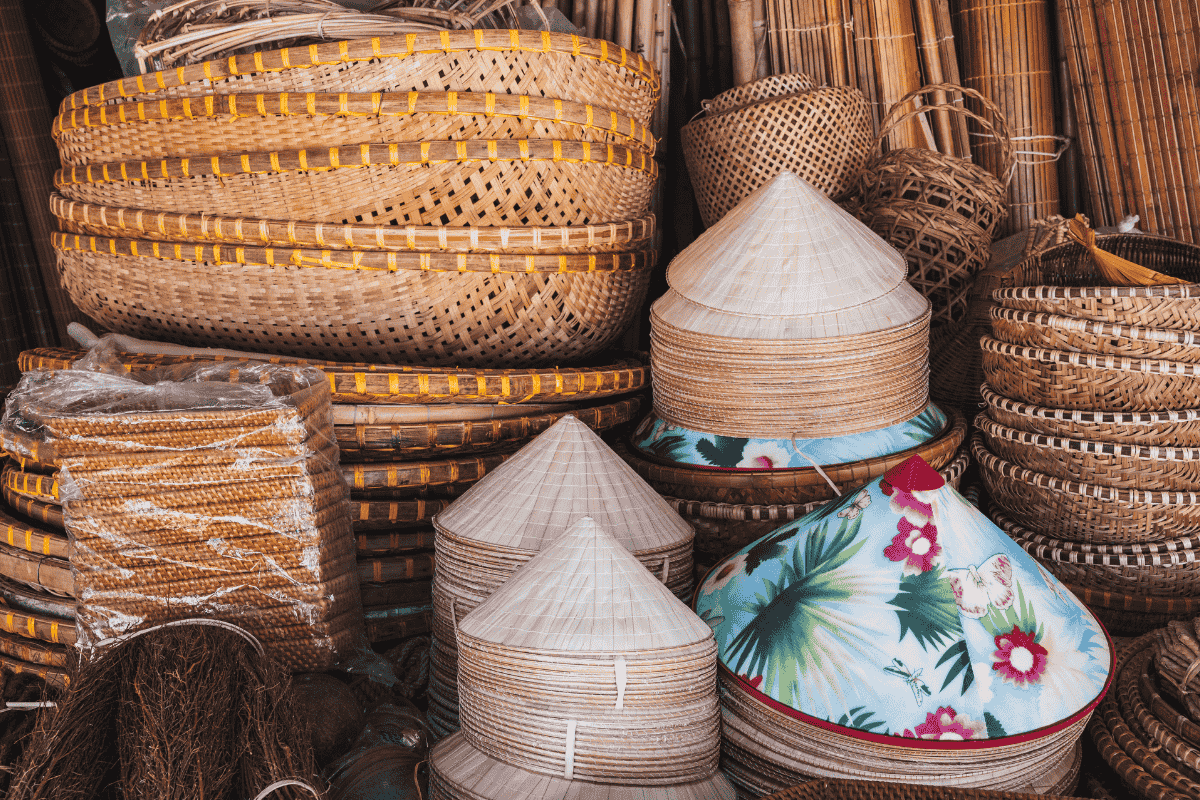
Among the most iconic materials are bamboo and rattan. Lightweight, renewable, and remarkably strong, bamboo grows abundantly in Vietnam and regenerates quickly when harvested responsibly. This makes bamboo and rattan gifts from Vietnam both practical and environmentally sound. Artisans shape these materials into functional and decorative items using techniques refined over centuries—bending, weaving, and drying them naturally rather than relying on heavy chemical treatments.
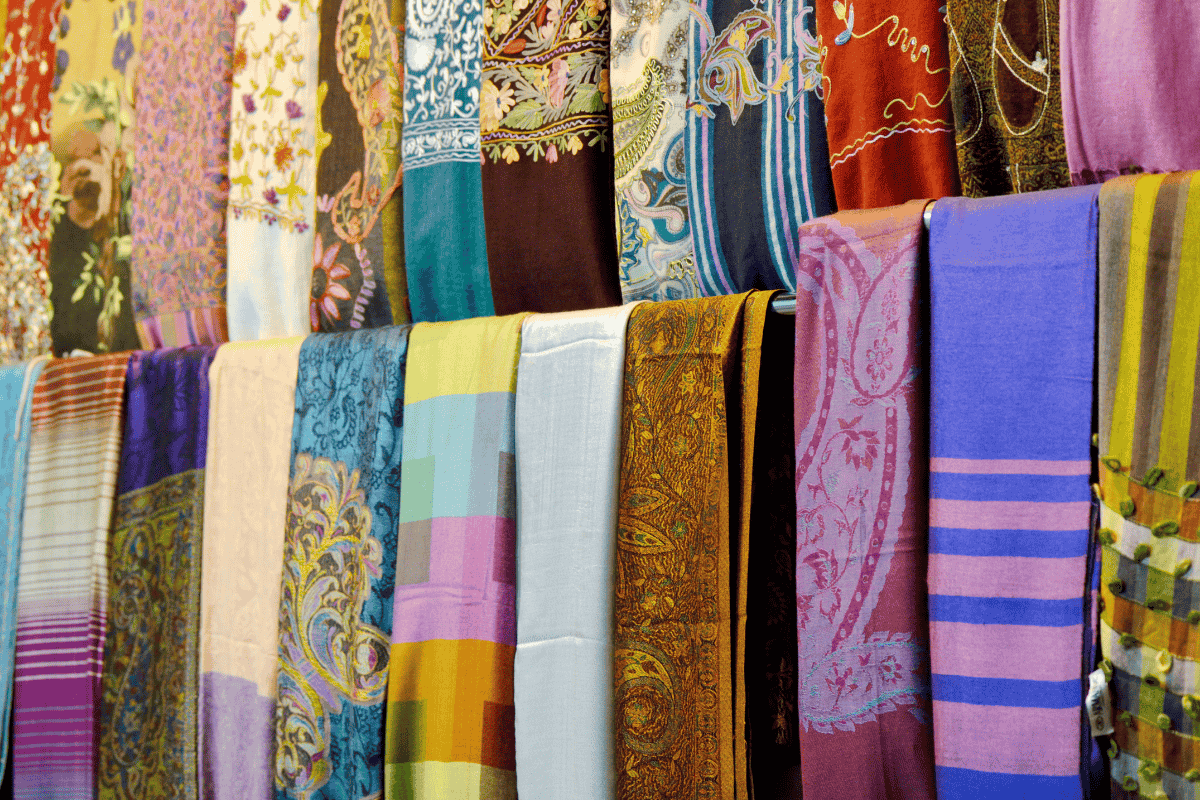
Silk is another material that reflects Vietnam’s balance between tradition and sustainability. Silk gifts from Vietnam often originate from small-scale sericulture communities where silk production follows seasonal cycles and respects natural processes. Unlike synthetic fabrics, natural silk is biodegradable, breathable, and long-lasting. When transformed into accessories or gift items, silk carries both tactile beauty and cultural significance.
In addition to natural fibers, many Vietnamese artisans creatively incorporate reclaimed and reused materials into their work. Recycled material gifts from Vietnam may include wood offcuts from carpentry workshops, leftover textiles from garment factories, or repurposed shells and natural byproducts. This approach not only reduces waste but also extends the lifecycle of materials that would otherwise be discarded.
Sustainability, however, goes beyond materials alone. Eco-friendly gifts from Vietnam are defined by the entire production process—from sourcing and crafting to packaging and distribution. Many artisan workshops prioritize low-impact methods, minimal energy use, and small-batch production to avoid overexploitation of resources. This results in environmentally responsible Vietnamese gifts that align with global expectations for ethical consumption without sacrificing cultural authenticity.
Transparency plays a key role in building trust. Brands that work closely with artisans can clearly communicate how materials are sourced, processed, and transformed. This openness reassures buyers that sustainability claims are not superficial. For international customers, such transparency is often a deciding factor when choosing between mass-produced items and thoughtfully made gifts.
Natural and sustainable materials also influence how a gift is experienced. Items crafted from bamboo, silk, or natural fibers age gracefully, developing character over time rather than wearing out quickly. This longevity contrasts sharply with disposable products made from plastics or composites, reinforcing the idea that sustainable gifts are investments rather than temporary objects.
From a broader perspective, using sustainable materials supports local ecosystems and communities. Responsible harvesting ensures that resources remain available for future generations, while fair collaboration with artisans sustains livelihoods and preserves traditional knowledge. Choosing gifts made with these principles is not merely an environmental statement; it is a cultural and ethical one.
Ultimately, natural and sustainable materials from Vietnam provide a foundation of trust. They demonstrate respect—for nature, for people, and for cultural heritage. When buyers select Vietnamese gifts crafted from responsibly sourced materials, they are choosing products that reflect care, intention, and long-term value. This is why such gifts resonate strongly with environmentally conscious individuals and organizations seeking meaningful alternatives to mass-produced goods.
Read more:
Chang Son fan village: The place that keeps the Vietnamese soul alive through every fan blade
Vietnamese handicrafts: Unique artistry from seashells and snail shells
Vietnamese Gifts for International Gifting
When it comes to international gifting, buyers are rarely just looking for something beautiful. They are looking for gifts that feel appropriate, meaningful, and culturally respectful—especially when the recipient comes from a different background. This is where Vietnamese gifts for international gifting stand out. They offer a unique balance between cultural identity, universal aesthetics, and practical usability, making them ideal for a wide range of global gifting situations.
One of the most common use cases is Vietnamese gifts for foreigners who have visited Vietnam or have a personal connection to the country. These recipients often want something that helps them remember their experience beyond photographs. Authentic Vietnamese gifts—crafted from natural materials and shaped by traditional techniques—serve as tangible reminders of place and people. Unlike generic souvenirs, these gifts carry depth and story, allowing recipients to reconnect emotionally with Vietnam long after they return home.
Another growing use case is Vietnamese gifts for international clients, particularly in professional and diplomatic contexts. In cross-cultural business relationships, gifting is not about extravagance but about intention and respect. A thoughtfully chosen Vietnamese gift communicates appreciation while subtly introducing the recipient to Vietnam’s values—craftsmanship, sustainability, and cultural pride.
For companies and organizations, Vietnamese corporate gifts offer a meaningful alternative to mass-produced promotional items. Corporate buyers increasingly seek gifts that align with ESG values and tell a compelling story. Handcrafted gifts made by Vietnamese artisans meet these expectations by combining ethical production, cultural narrative, and practical design. Whether used for conferences, executive gifts, or international partnerships, such items enhance brand perception without feeling transactional.
International gifting also extends to personal relationships. Vietnamese souvenirs for overseas friends are often chosen to express friendship, gratitude, or celebration. In these contexts, gifts need to be easy to transport, universally appreciated, and culturally expressive without being overly symbolic or difficult to interpret. Lightweight handcrafted items, natural-material décor, or functional lifestyle objects strike this balance well.
What unites all these use cases is the desire for meaningful gifts from Vietnam. International buyers want gifts that feel intentional rather than generic—items that spark curiosity and conversation. A well-chosen Vietnamese gift often prompts questions: Who made this? What material is it? What does it represent? These moments of storytelling transform a simple exchange into a shared cultural experience.
Another key factor in international gifting is cultural neutrality with cultural depth. The most effective Vietnamese gifts do not require deep prior knowledge to be appreciated. Instead, they convey beauty, craftsmanship, and care in ways that feel accessible to global audiences. This makes them suitable for diverse recipients—from corporate partners in Europe to friends in Australia or North America.
Practical considerations also matter. International buyers often evaluate gifts based on durability, packaging, and ease of explanation. Handcrafted Vietnamese gifts made from natural and sustainable materials typically perform well across these criteria. They are sturdy, responsibly produced, and easy to present as thoughtful choices rather than obligatory gestures.
From a branding perspective, Vietnamese gifts used in international contexts help shape how Vietnam is perceived globally. Rather than reinforcing clichés, authentic gifts present Vietnam as creative, responsible, and culturally rich. This is particularly powerful for businesses, institutions, and individuals who want their gifts to reflect shared values rather than simple consumption.
Ultimately, Vietnamese gifts for international gifting succeed because they operate on multiple levels. They are visually appealing, culturally grounded, ethically produced, and emotionally resonant. Whether chosen for a foreign visitor, an overseas friend, or an international business partner, these gifts create connections that extend beyond the moment of exchange. They represent Vietnam not just as a destination, but as a living culture expressed through thoughtful craftsmanship and meaningful design.
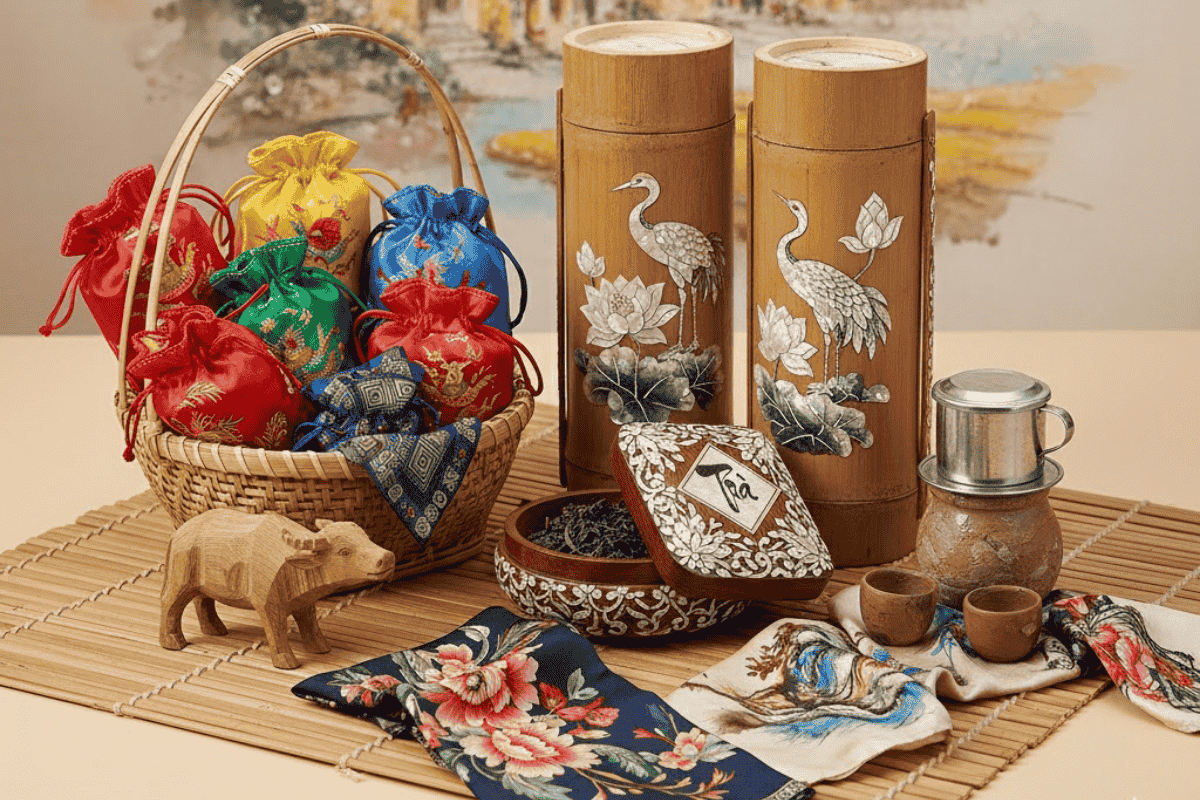
If you want to buy a gift, visit uniquegiìt’s store in Vietnam Uniquegifts gift store opening at the box market, Ho Chi Minh City Book street
2026 Lunar New Year gift collection: The bloom launches 2026 Lunar New Year gift collection: “Scents & Flavors of the Homeland”
Preserving culture through meaningful gifts
In a global market saturated with mass-produced items, preserving culture through meaningful gifts has become a conscious choice rather than an accidental outcome. For international buyers, a gift is no longer just a physical object—it is a statement of values, awareness, and respect. Vietnamese gifts, when thoughtfully designed and responsibly made, play a powerful role in safeguarding cultural heritage while meeting modern expectations of sustainability and emotional connection.
At the heart of this approach are Vietnamese heritage gifts—objects that carry traces of tradition, craftsmanship, and lived experience. Unlike decorative items created purely for export trends, authentic cultural gifts emerge from practices that have evolved over generations. Materials, techniques, and motifs are not chosen randomly; they are shaped by geography, climate, and community knowledge. When these elements are preserved within a gift, the buyer is not simply purchasing an item, but participating in the continuation of cultural memory.
Equally important is the emotional layer. Meaningful Vietnamese gifts resonate because they communicate care beyond price or novelty. In many cultures, gifting is an emotional language—used to express gratitude, respect, remembrance, or connection. Vietnamese gifts that retain their cultural soul allow recipients to feel that intention. They invite curiosity, storytelling, and reflection, transforming a simple exchange into a shared moment of understanding.
The concept of gifts with a Vietnamese soul does not imply complexity or symbolism that only locals can understand. Instead, it refers to gifts that feel honest—where form, material, and purpose align naturally. A well-crafted item made by artisans who understand their craft carries a quiet authenticity. International recipients may not know every cultural reference, but they can sense when a gift is made with intention rather than imitation.
Preservation of culture today is inseparable from sustainability and ethics. Traditional craftsmanship has always been rooted in low-impact processes—using local materials, manual techniques, and production scales aligned with community needs. Modern buyers increasingly recognize this alignment and actively seek ethical gifts made in Vietnam that reflect responsible consumption. These gifts do not exploit culture as a trend; they support artisans as cultural custodians.
Closely related are low-impact handcrafted gifts, which appeal to environmentally conscious audiences without sacrificing cultural depth. Such gifts demonstrate that preserving heritage does not mean resisting progress—it means choosing progress that respects origins. By favoring handcrafted processes over industrial shortcuts, these gifts help maintain traditional skills while reducing environmental footprint.
Another overlooked aspect of cultural preservation through gifting is education through ownership. When recipients learn who made their gift, where it comes from, and why certain materials or forms are used, they become informal ambassadors of that culture. Each meaningful gift extends cultural awareness beyond borders, often reaching audiences who might never visit Vietnam.
Importantly, cultural souvenirs from Vietnam need not be frozen in the past. The most effective heritage gifts balance tradition with contemporary usability. Items that integrate cultural techniques into modern lifestyles—home décor, personal accessories, or functional objects—ensure that culture remains lived rather than archived. This relevance is what allows cultural preservation to thrive in a global context.
From a buyer’s perspective, choosing gifts that preserve culture is also a declaration of trust. It signals belief in craftsmanship over convenience, story over spectacle, and long-term value over short-term trends. For brands and creators, this trust becomes a foundation for sustainable growth—built not on volume, but on meaning.
Ultimately, preserving culture through meaningful gifts is not about nostalgia. It is about continuity. Each gift that respects Vietnamese heritage, honors artisan labor, and minimizes environmental impact contributes to a living cultural ecosystem. In this way, gifting becomes an act of stewardship—where buyers, makers, and recipients all play a role in keeping culture alive, relevant, and respected across borders.
Read more:
Reviving natural dyes for Vietnamese silk: The art of eco-printing
Art on Phung Xa Silk Scarf: Unique masterpieces at uniquegifts
Experience Vietnamese Culture Through Meaningful Gifts
Every Vietnamese gift carries more than form and function—it carries stories of land, people, and purpose. At Uniquegifts, we believe that meaningful gifts should honor culture, respect nature, and support the hands that create them.
If you are looking for gifts that reflect authenticity, sustainability, and a deep connection to Vietnam’s cultural heritage, we invite you to explore our handcrafted collections—each piece thoughtfully made, ethically sourced, and truly one of a kind.
Discover handcrafted Vietnamese gifts with cultural soul