
Traditional silk villages in Vietnam are living treasures of craftsmanship, where generations of artisans transform delicate silkworm threads into luxurious fabrics perfect for elegant scarves and shawls. At Uniquegifts, we celebrate this heritage by curating authentic silk products sourced from these historic villages, offering you unique, handcrafted gifts that carry centuries of Vietnamese tradition and artistry.
Exploring famous traditional silk villages in Vietnam
Several villages stand out for their historical significance, quality of silk, and contribution to Vietnam’s textile tradition. Below is an introduction to some of the most renowned ones, each with its unique characteristics and specialties in producing silk fabrics used for scarves and other elegant items.
Van Phuc silk village in Hanoi
Van Phuc Silk Village, located in Ha Dong District approximately 10 kilometers southwest of central Hanoi, is one of Vietnam’s oldest and most famous silk-weaving centers. Its history spans over 1,000 years, with roots tracing back to the Ly Dynasty in the 11th century. The village was formerly known as Van Bao before being renamed during the Nguyen Dynasty.
Artisans in Van Phuc specialize in producing high-quality silk fabrics known for their smooth texture and fine weave. Historically, Van Phuc silk was used for royal garments during the Nguyen Dynasty. In the 1930s, it gained international recognition when showcased at the Marseille International Fair, where French observers praised it as one of the finest handicraft products from Indochina.
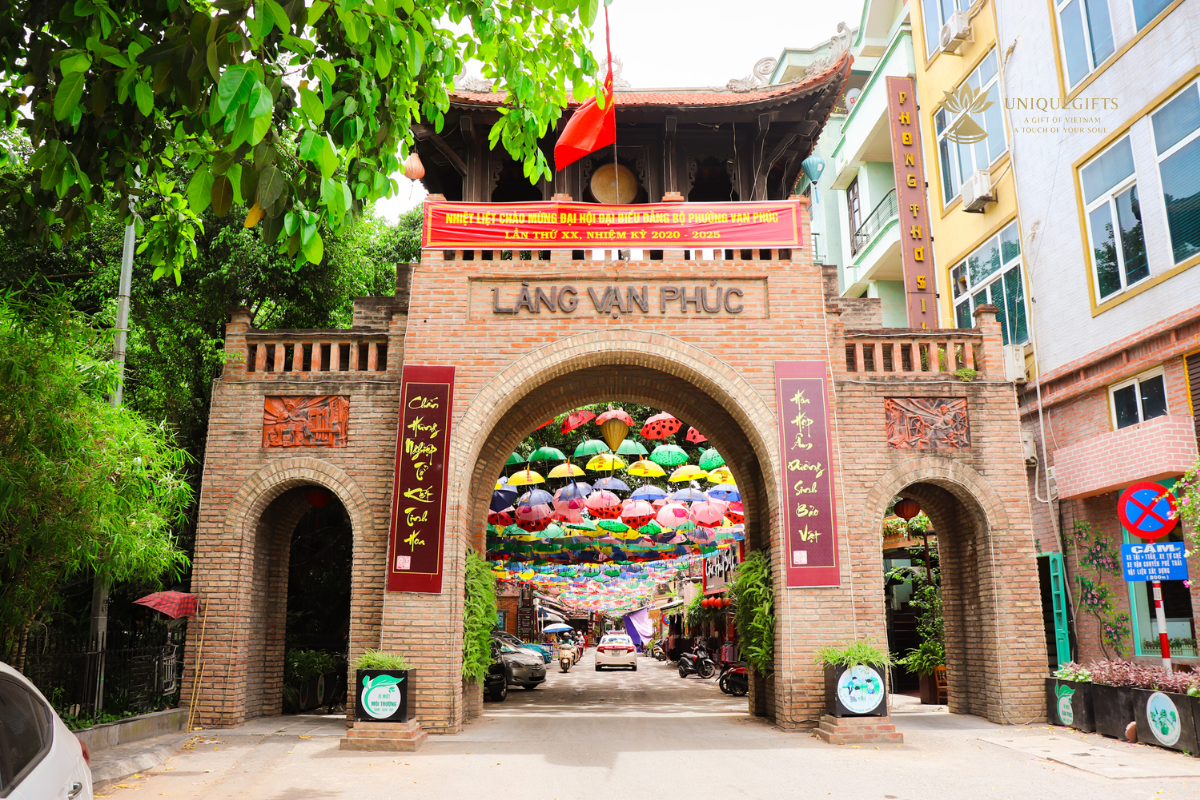
Key highlights of Van Phuc Silk Village:
- Over 1,000 years of continuous silk weaving tradition.
- Hundreds of households engaged in silk production.
- Traditional hand-weaving looms still in use alongside some modern equipment.
- Wide range of products including silk scarves, clothing, ties, and home decor.
- Popular tourist destination with workshops and shops where visitors can observe the weaving process and purchase directly.
The village sits along the Nhue River, providing a scenic backdrop. Many families open their homes as small workshops, allowing tourists to see silkworms feeding on mulberry leaves, thread reeling, dyeing, and the rhythmic clacking of looms. Silk scarves from Van Phuc are lightweight, elegant, and often feature subtle patterns or solid rich colors suitable for both everyday wear and formal occasions.
Today, Van Phuc continues to thrive as a living museum of Vietnamese silk craftsmanship. Its proximity to Hanoi makes it easily accessible for day trips, and it remains a vital source of premium silk fabrics for tailors and gift creators across the country.
Nha Xa silk village in Ha Nam
Nha Xa Silk Village lies in Moc Nam Commune, Duy Tien District, Ha Nam Province, nestled along the banks of the Red River near Yen Lenh Bridge. With a history of approximately 700 years (originating around the late 13th to early 14th century), it is another cornerstone of northern Vietnam’s silk tradition.
The village is known for its diverse silk products, including various types of woven fabrics suitable for scarves and apparel. At its peak, a large percentage of households (around 90%) participated in silk production, operating hundreds of looms. Artisans here maintain traditional steps: growing mulberry, raising silkworms, spinning, weaving, and dyeing.
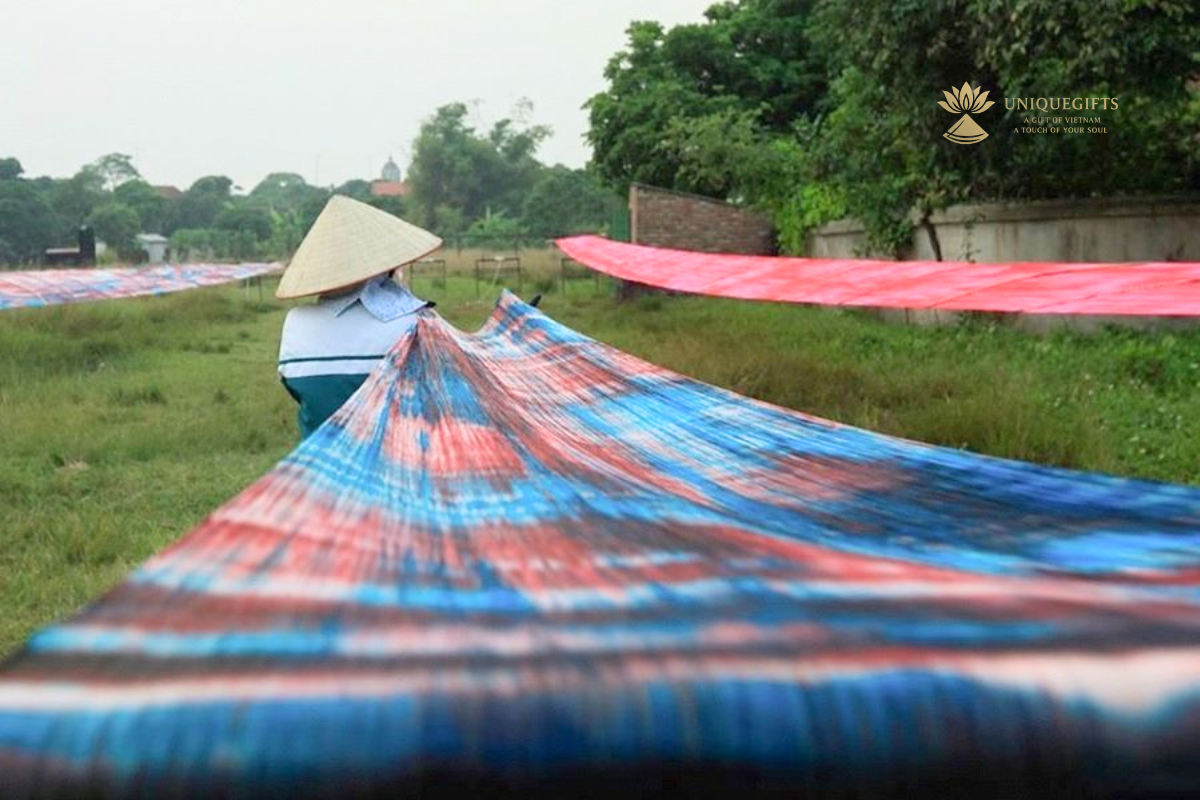
Notable aspects of Nha Xa Silk Village:
- Strong community involvement with many families dedicated to the craft.
- Production of high-volume yet quality silk fabrics supplied to markets in Hanoi, Hue, Da Nang, Ho Chi Minh City, and even for export.
- Preservation of multi-stage traditional processes even as some modernization occurs.
- Peaceful riverside setting ideal for cultural visits.
Nha Xa silk is appreciated for its quality and variety. The village’s location along the Red River historically supported agriculture and sericulture. While facing challenges from competition and changing markets, many artisans persist in upholding the craft, ensuring that the knowledge continues to the next generation. Silk scarves originating from fabrics woven here offer excellent drape and comfort, making them popular choices for thoughtful gifts.
Ma Chau silk village in Quang Nam
Ma Chau Silk Village is located in Nam Phuoc Town, Duy Xuyen District, Quang Nam Province, in central Vietnam. This village has a heritage of over 500–600 years, with silk weaving traditions developing notably from the 15th–16th centuries. It was historically linked to supplying silk to nobility and court officials.
Ma Chau is recognized for its high-quality tơ tằm (mulberry silk) and a more matte, natural finish compared to some shinier varieties. Artisans emphasize traditional methods, including natural dyeing, while incorporating some improvements for durability. The village benefits from local mulberry cultivation and has seen revival efforts in recent decades to sustain the craft.
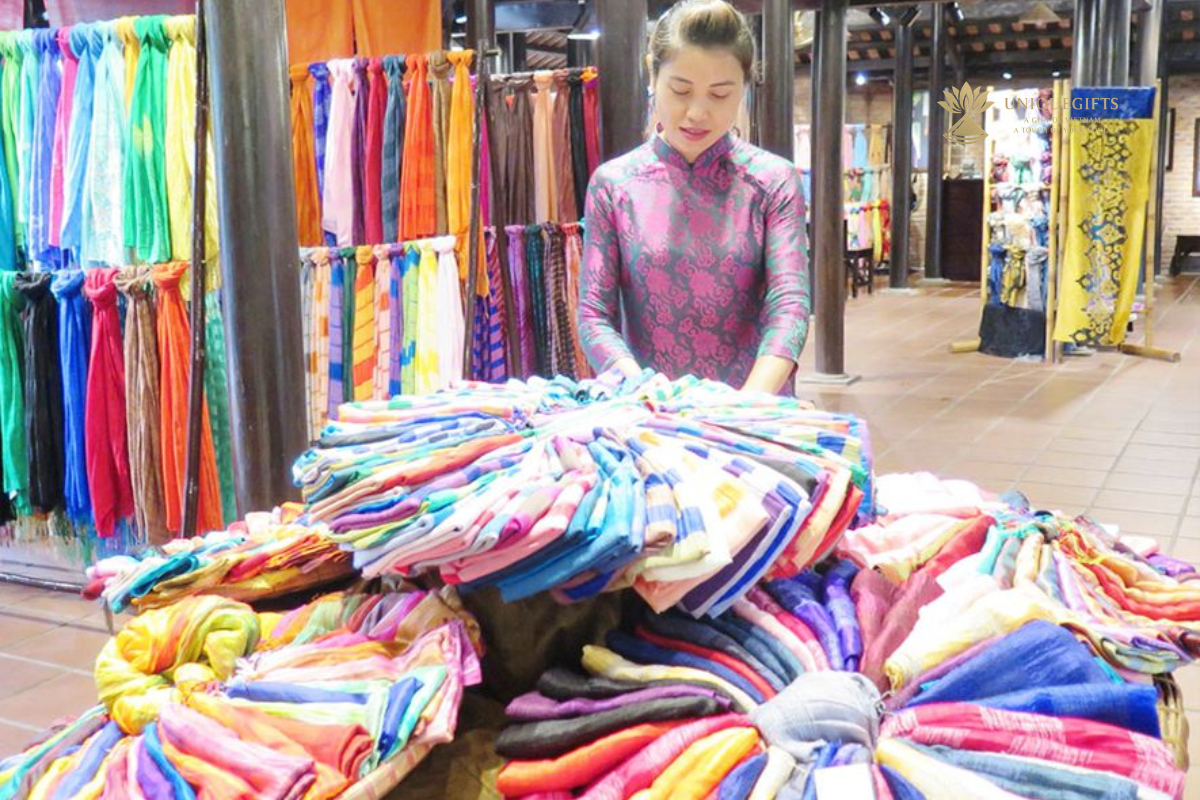
Characteristics of Ma Chau Silk Village:
- Centuries-old tradition tied to central Vietnam’s cultural and trade history, including connections to Hoi An.
- Focus on authentic mulberry silk production.
- Products often praised for softness, breathability, and cultural authenticity.
- Growing tourism and OCOP (One Commune One Product) recognition for quality items.
- Combination of handcraft techniques with selective modernization.
Silk from Ma Chau is frequently used for scarves and traditional garments. Its proximity to Hoi An makes it a wonderful stop for travelers exploring central Vietnam, offering insights into how regional climates and resources influence silk characteristics. The village represents the resilience of craft traditions in central Vietnam.
Why silk from traditional villages matters?
Silk produced in these villages embodies sustainability and cultural value. The labor-intensive process supports rural economies and keeps ancient skills alive. Natural silk is biodegradable, hypoallergenic, and temperature-regulating—qualities that make it superior for scarves worn in various climates.
When you choose silk scarves from traditional sources, you support:
- Preservation of generational knowledge.
- Local artisan livelihoods.
- Authentic Vietnamese cultural heritage.
- High-quality, unique products with stories behind every thread.
Many villages now offer experiential tours, allowing visitors to try simple weaving or learn about natural dyes derived from plants.
Preserving heritage for future generations
Challenges such as urbanization, cheaper synthetic alternatives, and younger generations moving to cities exist. However, government recognition, tourism, and demand for authentic handmade goods help sustain these villages. Initiatives like heritage certifications and craft cooperatives play an important role.
At Uniquegifts, we are committed to partnering with ethical sources from traditional silk villages in Vietnam to bring you genuine products that honor this incredible legacy.